by Dr. Sara Ivanhoe

While we all love long summer evenings and late sunsets, they can create sleep challenges we don’t often think about.
Your body maintains a remarkably consistent internal rhythm, but light is the primary cue that helps fine-tune its timing. As evening daylight lingers later, your body’s biological night shifts later as well. Melatonin begins rising later, and you may not feel sleepy at your usual bedtime—even if your schedule hasn’t changed. Later sunsets also leave less opportunity for your natural evening physiology, including the rise of melatonin, to build before you try to fall asleep.
Warm summer nights create a second challenge. As bedtime approaches, your core body temperature naturally begins to drop, and that cooling process is an important part of falling asleep. When the air around you is too warm, your body has a harder time shedding heat, making it more difficult to drift off and stay asleep. For women experiencing the vasomotor symptoms (hot flashes and night sweats) of perimenopause, elevated nighttime temperatures can make it even harder to cool down, adding another layer of challenge to falling and staying asleep.
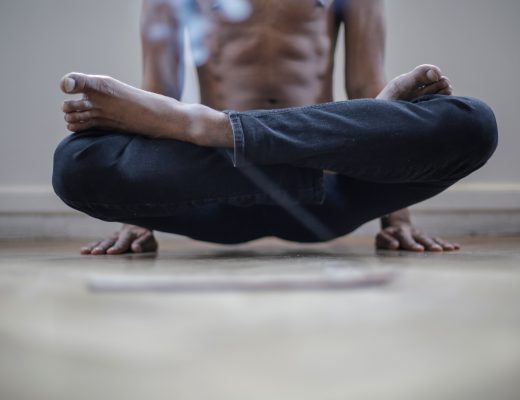
The good news is that you can support both your circadian rhythm and your parasympathetic nervous system (this is your rest and digest system) with simple evening habits. Gentle yoga, breathwork, and meditation help shift the body from a state of alertness into one of relaxation. By lowering heart rate and blood pressure, these practices also support the body’s natural cooling process before sleep.
Here are five simple ways to support better sleep during the bright, warm days of summer:
- Eat dinner a little earlier. Along with the exposure to more sunlight, meal timing is one of the signals that helps synchronize your circadian rhythm. Eating earlier gives digestion time to settle while reinforcing your body’s natural evening clock.
- Step outside after sunset. Experiencing the natural transition from daylight to dusk helps reinforce your circadian rhythm and signals that it’s time to begin winding down. Dimming the indoor lights before sunset and drawing the curtains can begin the signaling process earlier.
- Practice five to ten minutes of gentle yoga, breathwork, or meditation. Gentle movement, mindfulness, and slow breathing help quiet the parasympathetic nervous system while lowering heart rate and blood pressure, supporting your body’s natural cooling process before sleep.
- Let your feet stay cool. If you tend to overheat at night, try sleeping with your feet outside the covers. The feet contain specialized blood vessels that help release heat, supporting the natural drop in core body temperature that promotes sleep.
- Take a warm bath or shower one to two hours before bed. It may seem counterintuitive, but warming your skin helps your body release heat afterward, allowing your core temperature to drop—a natural signal that it’s time for sleep.
Small, consistent evening rituals can help bridge the gap between a bright summer evening and a restful night’s sleep. Rather than fighting your body’s natural rhythms, work with them by creating an environment that supports both your body and your mind as they prepare for rest.
Want to completely reset your sleep habits using yoga, breathwork, and meditation? Check out Jo’s Sleep Soundly program.